Social Imagination was a research project funded by the Arts & Humanities Research Council (AHRC) and led by Dr. Qian Sun, the Head of Service Design Program at the RCA.
The project introduced and tested design-led co-creation methods to envision future possibilities in community settings. While co-creation is widely recognized as essential for community development, this research explored how design methods can unlock deeper empathy, insight, and connection in real-world settings.
Project Partners
We worked with practitioners from third-sector organizations that focused on health, well-being, and belonging. Through interviews, surveys, and workshops with four organizations in England, we investigated their professional challenges and how designed co-creation methods could meaningfully support their practice.
I was invited by Dr. Sun to join this work as a Design Researcher. I contributed to research and workshop design and delivery, facilitation, synthesis, and playbook development. Workshops would be conducted in-person with our four project partners.
OUR PROCESS

Workshop Design
We explored six co-creation methods during each workshop:
Nostalgia
Laddering
Stakeholder mapping
Metaphor & ecosystem mapping
What if?
Letter to oneself
Our team developed a workbook to guide our participants through these techniques.
We were prepared with tools and tactics—vibrant paint pens, tissue paper for collages, stickers, and large swathes of paper—to encourage them to tap into creativity and expression. I also encouraged our participants to connect with themselves and to each other through embodiment, introducing a physical listening technique from my dance background called "flocking," where participants follow the movements of the leader like birds.
Before running our workshops outside of the RCA, we prototyped with a selection of students to iron out any wrinkles in the delivery of our materials.
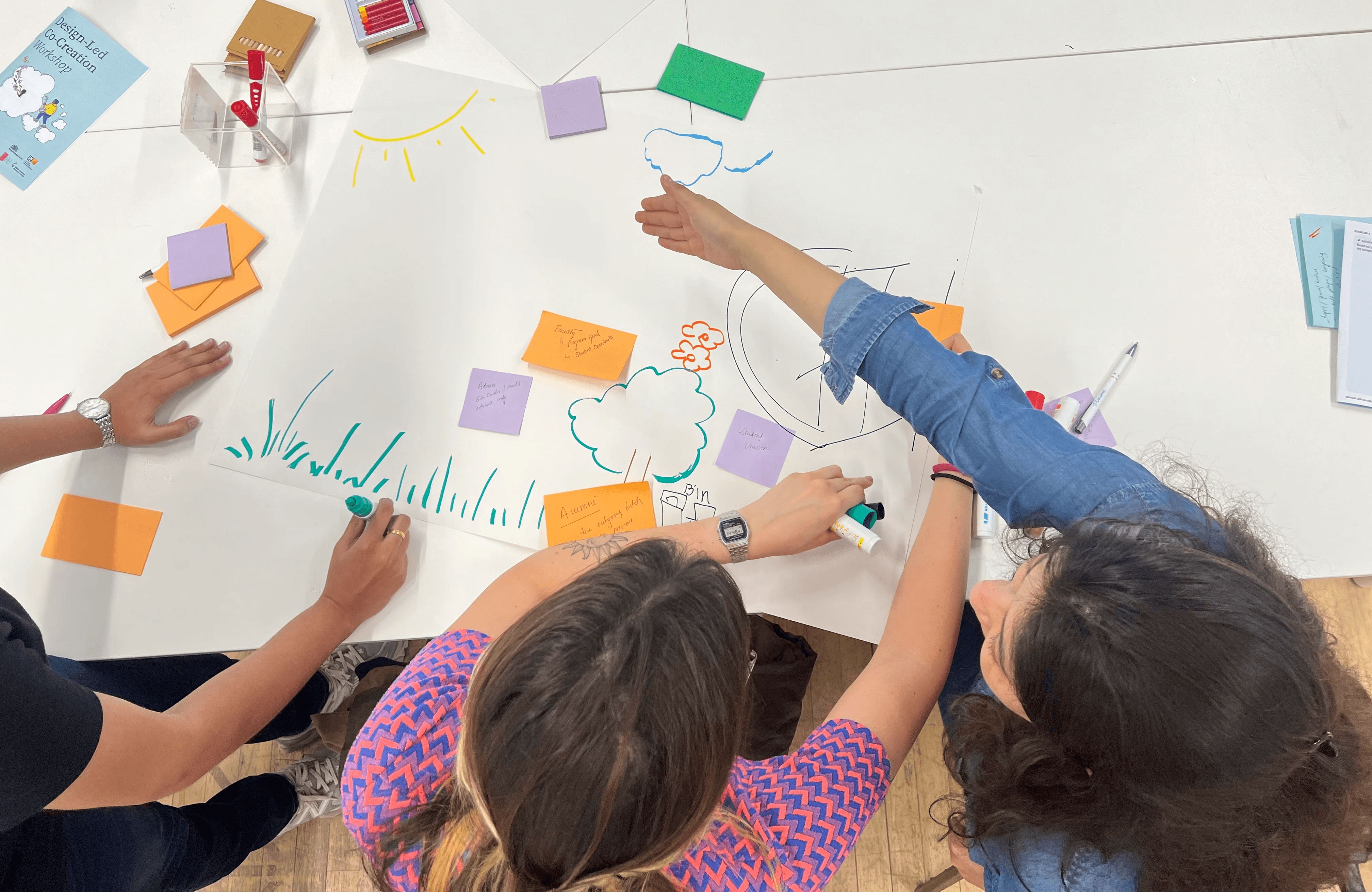
RCA'S STUDENTS PROTOTYPE OUR ECOSYSTEM MAPPING EXERCISE
Gathering Data
Before and after each workshop, we collected data through surveys and interviews. I conducted 4 of 9 total. While surveys gave us the broad strokes of each organisation's behavior, the individual conversations helped us understand the methods practitioners already implement, the challenges they face in their daily practice, and the value they might uncover in applying in these techniques.
As one interviewee stated:
"For me, I just want more knowledge, more understanding of how I can apply [co-creation]... the connection with users] has never been a problem for me. But getting the connection and then putting it into a structure... that's been the problem: the structure that I'm working in."
The workshops were attended by thirty-three practitioners across four organizations. Most attendees did not come from a design background, but designed and developed programs for the communities they served.
We adapted our workshop material to suit each organizations' focus, including topics like:
Strengthening community mental health (MindKind Projects)
Supporting adults with learning disabilities (Walsall Together)
Increasing access to public green spaces (BOST)
Converting library non-users into users (Haringey Council)
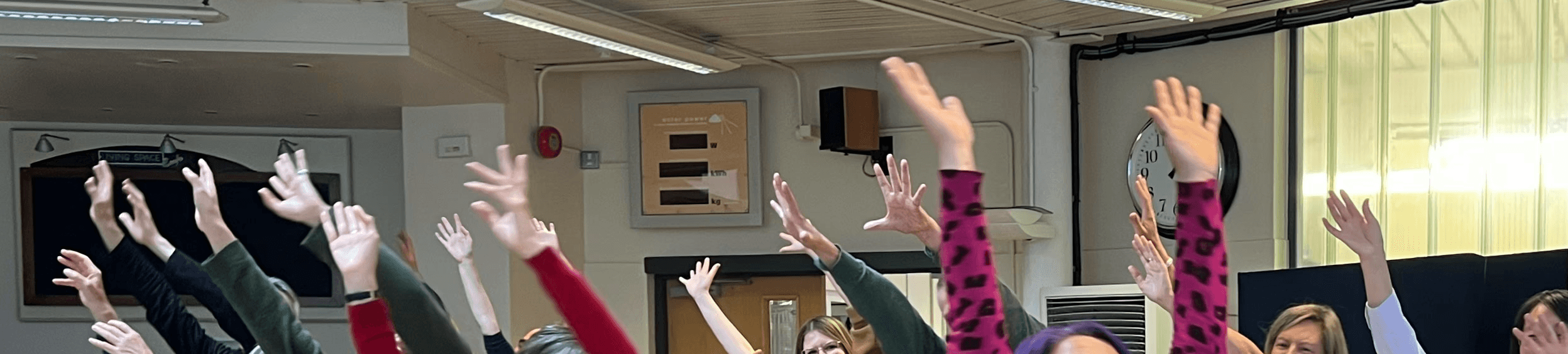
PARTICPANTS PERFORM A "FLOCKING" EXERCISE
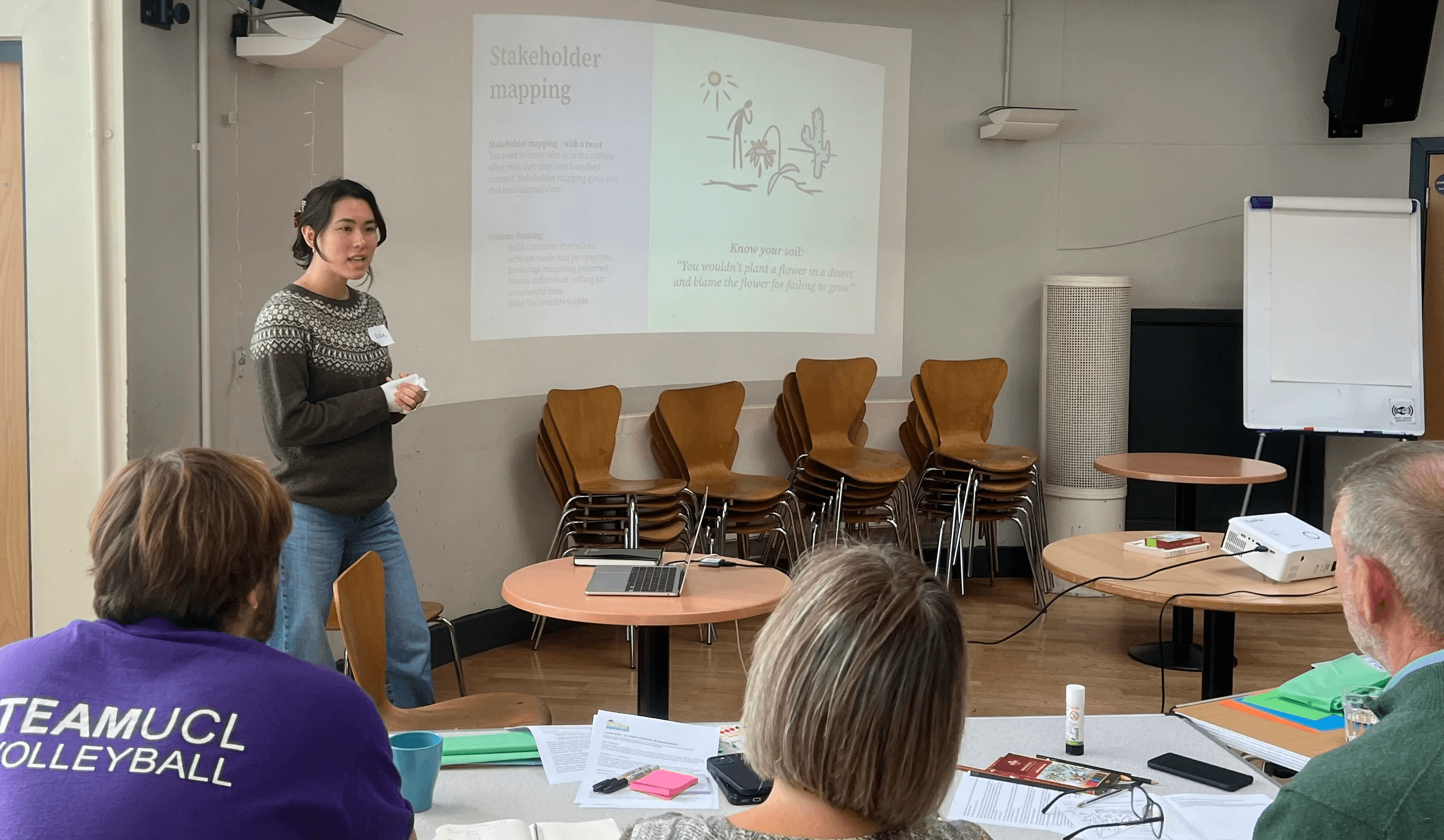
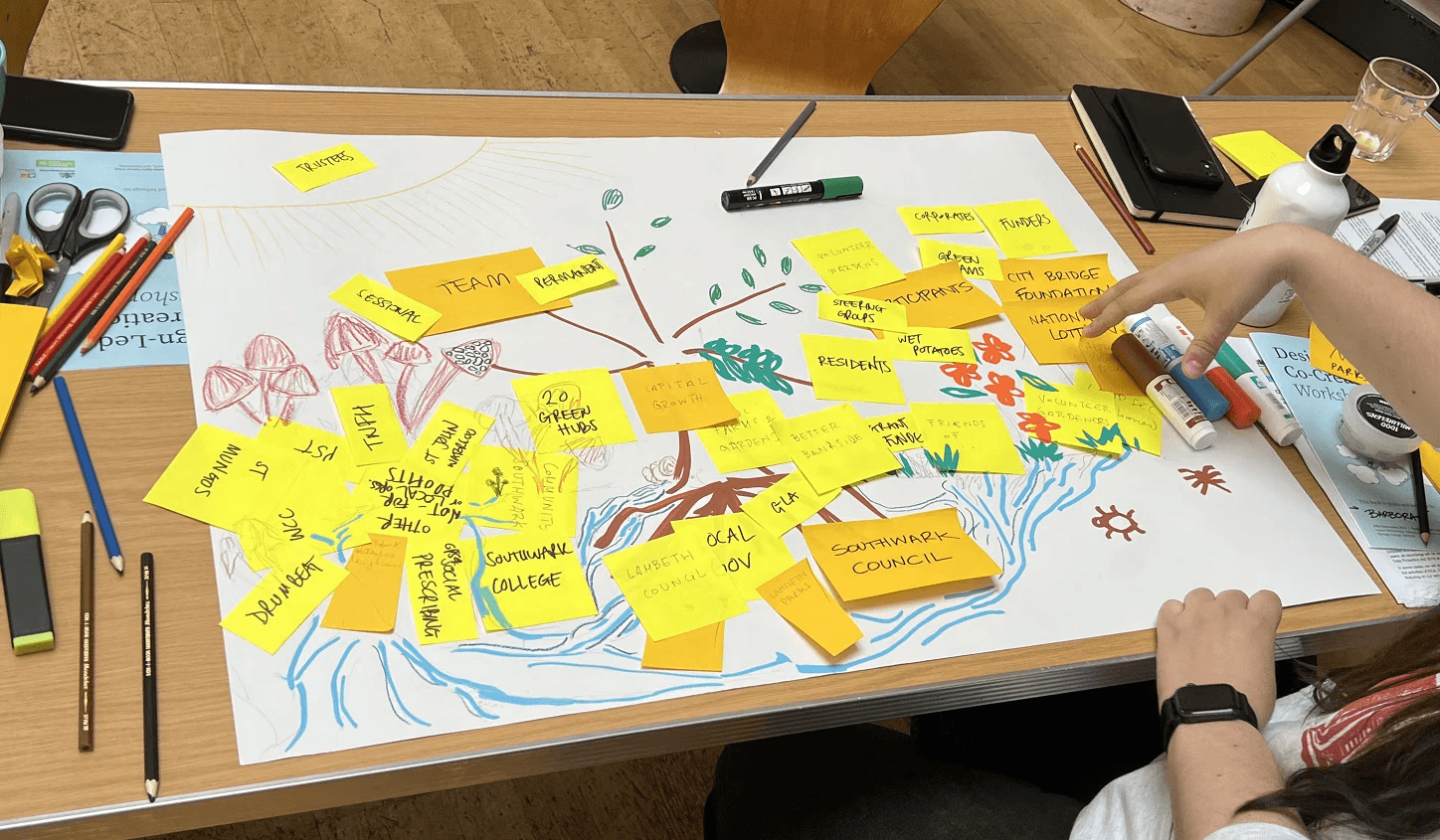
STAKEHOLDER MAPPING EXERCISE
As facilitators, we learned what makes co-creation work in this context... and what gets in the way.
Four Key Findings
A little encouragement goes a long way — Participants were unfamiliar with the creative frameworks we presented them with. Encouraging their thinking with supportive "yes-and" phrases helped rapidly develop confidence and encouraged them to explore their thoughts more deeply.
Art can be double-edged tool — While being asked to express ideas through art unlocked imagination for some, it created a barrier for others. Some were shy about their drawing abilities or feared they were doing something "wrong." As facilitators, receptivity and flexibility were key—the real value was hidden in the conversations and thought processes, not the visual outcome itself.
User-centricity was embedded — Groups usually started their stakeholder mapping exercise with their user, rather than their own organization. Without even being aware of theory, their user-centered orientation gave us a strong foundation to build upon.
The "What if?" exercise needs scaffolding — What asked to imagine desirable futures through a "what if" lens, groups got stuck on constraints, such as a lack of funding, limiting what they were able to imagine. We addressed this by guiding them to think of unchangeable and changeable elements of their ecosystems (e.g., stakeholder relationships, resource allocation, etc.), and focus on the latter.
These findings shaped how we designed the Practitioner Playbook.
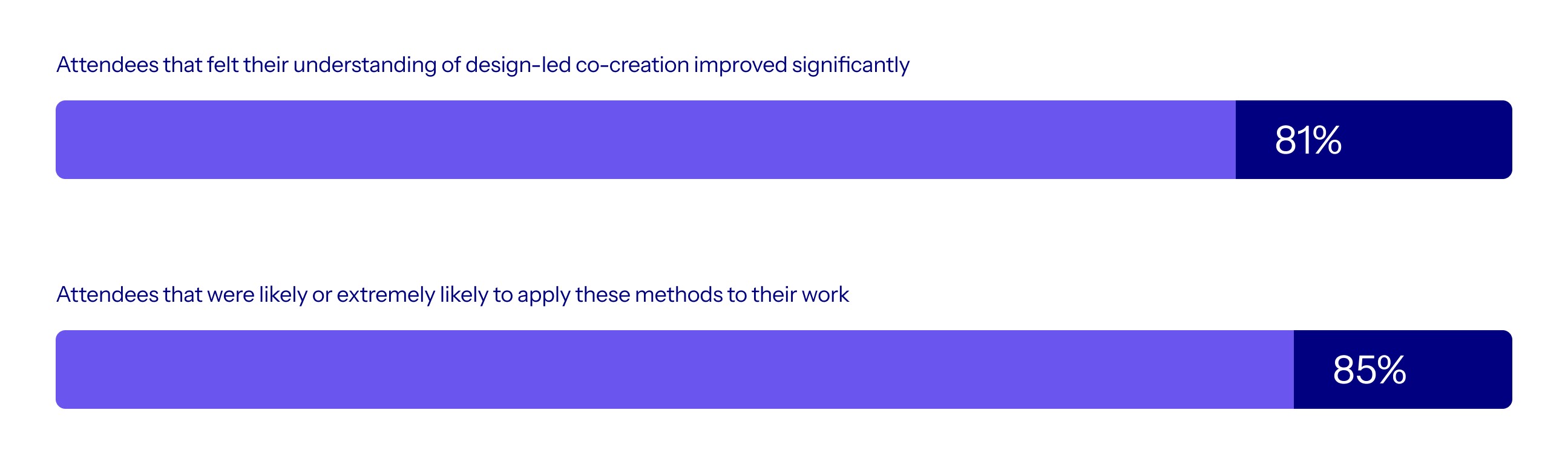
Our post-workshop survey provided strong evidence that these tools were useful in practitioner work.
SURVEY RESULTS
Writing the Playbook
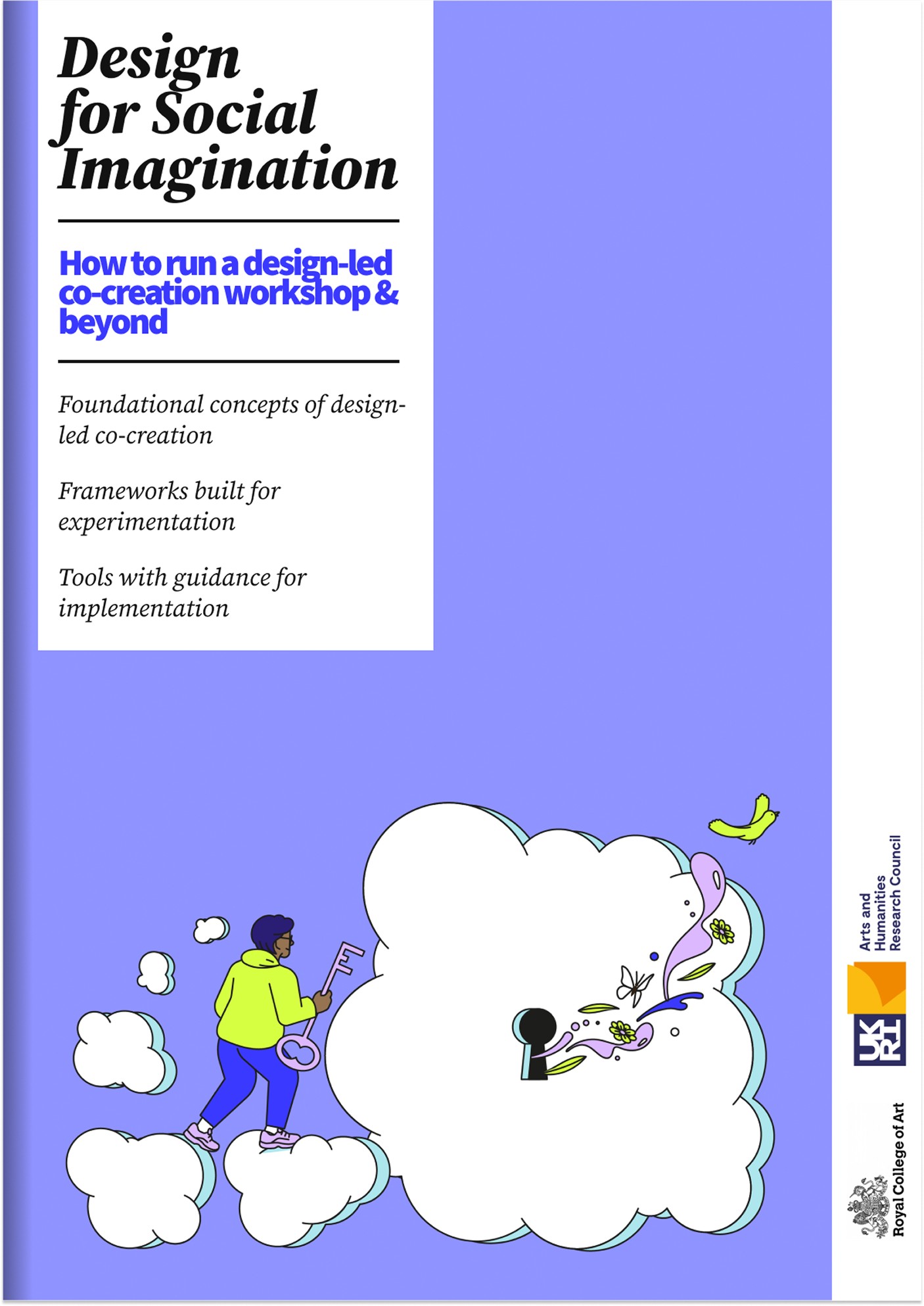
Our team is currently translating our findings into a tool that practitioners can use immediately, even without a design background. The Practitioner Playbook aims to make co-creation methods accessible to anyone developing services for communities, and includes:
Explanations for foundational concepts (what design-led co-creation is and why does it matter?)
Practical frameworks for understanding each tool
Guidance for leading Stakeholder Mapping, Metaphor, and "What-if?" exercises
Case studies
PRACTIONER PLAYBOOK
Additional Outputs:
Research Paper — Dr. Sun is authoring a formal academic paper that documents our research methodology and findings
Community of Practice (under consideration) — We are exploring the possibility of a final gathering for the organisations that attended our workshop where practitioners from multiple disciplines can reflect on their learnings, share best practices, and build ongoing connections.